







Winter Truck Maintenance Checklist for F-150, Silverado, Sierra & Ram Owners
Posted by JLOSC on 2026 Nov 17th

Summary: A winter truck maintenance checklist should cover battery condition, fluids, tires, visibility, and any added systems affected by cold-weather moisture. For trucks with an oil separator, winter also means checking the catch can more often because colder temperatures can increase condensation. That is especially relevant for supported 2019–2026 Silverado and Sierra 1500 5.3L and 6.2L applications.
Cold starts put more demand on the battery, falling temperatures lower tire pressure, and short trips can leave more moisture in systems that need time to reach operating temperature. For F-150, Silverado, Sierra, and Ram owners who drive year-round, those changes are worth addressing before the first hard freeze.
Table of Contents
- Why Does a Winter Truck Maintenance Checklist Matter?
- How Do You Prepare a Truck's Fluids, Brakes, and Visibility for Winter?
- How Does Cold Weather Affect Your Truck's Oil Catch Can?
- Which Trucks and SUVs Fit the J&L Oil Separator 3.0?
- Key Takeaways
- FAQs
- Conclusion
Why Does a Winter Truck Maintenance Checklist Matter?
Cold weather can expose maintenance issues that were easy to overlook in warmer months. A marginal battery may struggle on a cold morning, tire pressure can fall as temperatures drop, and moisture can accumulate differently when hot engine vapors meet cold components.
Learning how to winterize a truck starts with the systems cold weather affects most, including starting, traction, visibility, and any added equipment such as an oil separator.
How Does Cold Weather Affect Tire Pressure?
NHTSA notes that a 10°F drop in temperature can reduce tire pressure by about 1 PSI. Check pressures when the tires are cold and use the pressure listed on the truck's tire-information label rather than the maximum pressure molded into the tire.
Recheck pressure after major temperature swings.
Why Is the Battery More Vulnerable in Winter?
Cold weather makes an engine harder to start because the battery delivers less power at the same time the engine needs more energy to turn over. AAA explains that low temperatures slow the battery's chemical reactions and thicken engine oil, increasing the load on the starting system.
Before winter, have a questionable or aging battery tested and inspect the terminals and cable connections for corrosion or looseness. If starting sounds slower than usual, address it before a colder morning turns a weak battery into a no-start.
How Do You Prepare a Truck's Fluids, Brakes, and Visibility for Winter?
Cold weather can expose fluid-related problems that are easy to miss during the rest of the year. Before winter, check your coolant, engine oil, brake fluid, transmission fluid (where applicable), and washer fluid, then confirm each meets the recommendations for your specific truck and engine.
Which Fluids Should You Check Before Temperatures Drop?
Check coolant condition and level, engine oil, brake fluid, transmission fluid where owner-serviceable, and windshield washer fluid. Use washer fluid rated for the temperatures you expect.
For engine oil and coolant, follow the specifications for your exact engine. Diesel owners should also review the manufacturer's cold-weather guidance for fuel treatment, water-separator service, block-heater use, and Diesel Exhaust Fluid.
What Tire, Brake, and Visibility Checks Matter Most?
Inspect tire tread and look for uneven wear or damage. Check the brakes if service is due or if you notice vibration, pulling, noise, or a change in pedal feel. If your truck has four-wheel drive, confirm the system engages normally before you need it on a snowy road.
Replace wiper blades that streak, confirm exterior lighting works, and use winter-rated washer fluid. Periodic underbody rinsing can also help remove road salt and brine.
How Does Cold Weather Affect Your Truck's Oil Catch Can?
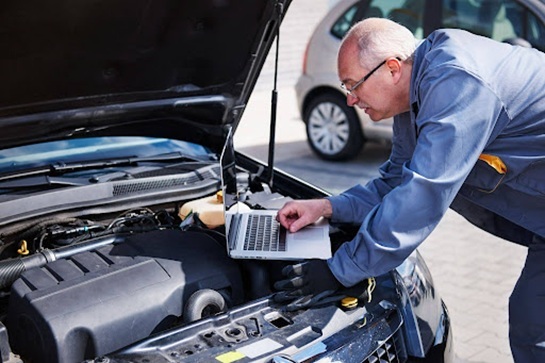
This is where winter maintenance becomes more specific for owners running an oil separator. J&L OSC advises drivers in cold climates to check the can more often during winter because hotter crankcase vapors entering a cold canister can create additional condensation.
Winter collection may look lighter, cloudier, or milkier because the reservoir is collecting moisture along with oil and fuel residue from the PCV stream.
Why Does Condensation Increase in a Cold Weather Oil Catch Can?
An oil separator routes PCV vapors through a filtering system that helps oil droplets and other suspended material collect in the reservoir instead of continuing into the intake.
In winter, the temperature difference between hot crankcase vapor and the colder aluminum canister encourages more water vapor to condense. J&L compares it to moisture forming in a cold bathroom during a hot shower.
Short-trip driving can make that moisture more noticeable because the engine and PCV system spend less time fully warmed up.
How Often Should You Check an Oil Separator During Winter?
J&L recommends checking a newly installed separator after roughly 500 to 1,000 miles to learn how quickly that vehicle fills the can. Collection varies with climate, driving style, engine condition, and oil level, so base the interval on what your truck actually produces.
Cold weather may require more frequent checks because condensation adds volume. Our guide to what to expect after installing an oil separator also explains how to establish a baseline for what's normal.
When Is Milky Fluid Normal, and When Should You Look Closer?
Some water mixed with captured oil during winter can be normal. Compare it with the truck's established pattern rather than judging the appearance alone.
If collection suddenly increases far beyond normal, or you also notice coolant loss, overheating, unusual exhaust, or another engine symptom, do not assume the catch can explains it. Those signs warrant their own diagnosis.
Never pour collected fluid back into the engine. J&L notes that it can contain oil, water, fuel residue, and other contaminants. Dispose of it with used engine oil according to local rules.
Which Trucks and SUVs Fit the J&L Oil Separator 3.0?
J&L’s Oil Separator 3.0 Driver Side (3086D) fits 2019–2026 Chevrolet Silverado 1500 and GMC Sierra 1500 models equipped with the 5.3L or 6.2L engine. That includes owners shopping for a 2019 Silverado catch can, as well as compatible 2020 and 2021 Silverado applications covered by the same separator.
What Models and Years Are Supported?
Current fitment includes:
- 2019–2026 Chevrolet Silverado 1500, 5.3L and 6.2L
- 2019–2026 GMC Sierra 1500, 5.3L and 6.2L
- 2021–2026 Chevrolet Tahoe, 5.3L and 6.2L
- 2021–2026 Chevrolet Suburban, 5.3L and 6.2L
- 2021–2026 GMC Yukon and Yukon XL, 5.3L and 6.2L
- 2021–2026 Cadillac Escalade, 6.2L
The unit does not fit the 2019 Silverado/Sierra LD Classic. It uses OEM-style quick-connect fittings and has a 3-ounce reservoir. An optional extension increases total capacity to 6 ounces, which can help owners with heavier winter collection.
The J&L product page also notes that the unit is not CARB exempt, so owners should check the emissions requirements where the vehicle is registered.
For more background on GM truck separator ownership, see our Silverado and Sierra catch-can maintenance guide.
Key Takeaways
- Check the battery, fluids, tires, brakes, wipers, lighting, and four-wheel-drive system before regular winter weather arrives.
- Recheck tire pressure after major temperature drops.
- Follow the fluid and cold-weather procedures specified for your exact truck and engine.
- Expect more condensation inside an oil separator during colder weather.
- Check a new J&L separator at 500 to 1,000 miles to establish a baseline, then adjust based on actual collection.
- The J&L 3086D fits supported 2019–2026 Silverado and Sierra 1500 models plus several 2021–2026 GM SUVs.
Frequently Asked Questions
1. Should I Empty My Catch Can Before a Winter Road Trip?
If the reservoir contains fluid or you do not know how full it is, emptying it before the trip gives you maximum capacity and a clean baseline.
2. Should I Check My Oil Separator More Often If I Mostly Make Short Trips?
Yes. Short trips may leave less time for moisture to evaporate, and J&L recommends checking the separator more often in cold climates. Use early inspections to learn what is normal for your truck.
3. Can I Use the Same Winter Checklist for an F-150, Silverado, Sierra, and Ram?
The general categories are similar, but specifications are not. Battery condition, tires, visibility, and fluid checks apply broadly. Follow the owner's manual for the specific model and engine for oil viscosity, coolant type, diesel procedures, and service intervals.
4. Should I Check My Truck Again After a Major Temperature Drop?
Yes. A sharp drop in temperature can affect tire pressure and may also change how much condensation collects in an oil separator. Recheck tire pressure when the tires are cold and keep an eye on separator collection until you know what is normal for your truck in winter.
5. Does Winter Driving Change How Often I Should Service My Oil Separator?
It can. Cold weather and short-trip driving may increase the amount of moisture collected in the reservoir. Check the separator more frequently during winter and adjust your service interval based on actual collection rather than relying on one fixed mileage schedule.
Build Your Winter Routine Before the First Freeze
Preparing your truck for winter comes down to identifying the systems cold weather affects and checking them before a small weakness becomes a roadside problem. The same principle applies to an oil separator. Cold weather changes collection, so make inspection part of your winter routine rather than something you handle only at oil-change time.
Knowing your normal tire pressure, battery behavior, and separator collection makes seasonal changes easier to spot.
Check J&L Fitment Before Winter
If you drive a supported GM truck or SUV, review the J&L Oil Separator 3.0 for 2019–2026 Silverado and Sierra 1500 5.3L/6.2L applications before ordering. Confirm the model and engine, check the reservoir early after installation, and shorten the service interval during cold weather when your actual collection calls for it. Call us for more details.
