



Silverado & Sierra Catch Can: Maintenance Costs vs Preventive Benefits
Posted by JLOSC on 2026 May 19th
Summary
For direct-injection GM V8s, carbon buildup is a long-term maintenance issue, not a theoretical one. Oil vapor from the PCV system can coat the intake tract and valves over time, especially on engines that don't have fuel washing over the back of the intake valves. That is the core reason many owners start looking at an oil separator or oil catch can.
This guide breaks down oil catch can maintenance cost, how much oil a catch can typically collect, what carbon cleaning service and intake valve walnut blasting costs can look like without one, and why a small preventive step can make more sense than waiting for drivability problems to show up.
Table of Contents
- Is a catch can worth it for Silverado and Sierra owners?
- How much oil does a catch can collect per 1,000 miles?
- What does it cost to fix carbon buildup without a catch can?
- How do oil vapors affect long-term engine efficiency?
- How much time does catch can maintenance take?
- What does a 5-year ownership cost comparison look like?
- Preventive maintenance vs reactive repair
- Key Takeaways
- FAQs
- Conclusion
Is a Catch Can Worth It for Silverado & Sierra Owners?
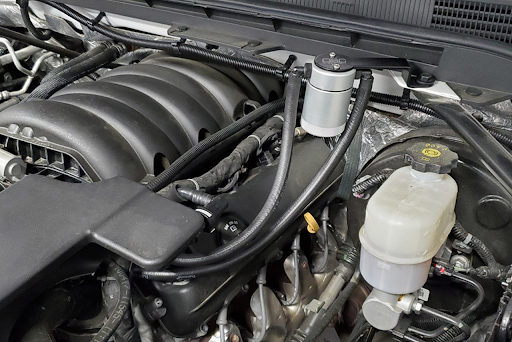
On direct-injection engines, fuel is sprayed into the combustion chamber, not across the intake valves. That means oil vapor and moisture coming through the PCV system can stick to the intake path and bake onto the valves over time.
What the cost-benefit picture looks like
For most owners, the value is straightforward. A quality catch can is a relatively small one-time purchase compared with the cost of cleaning up carbon buildup later. For owners shopping for a 2014-2018 Silverado catch can or a 2014-2018 GMC Sierra oil catch can, the real question is whether they would rather spend modestly now or pay more later for cleaning and lost time.
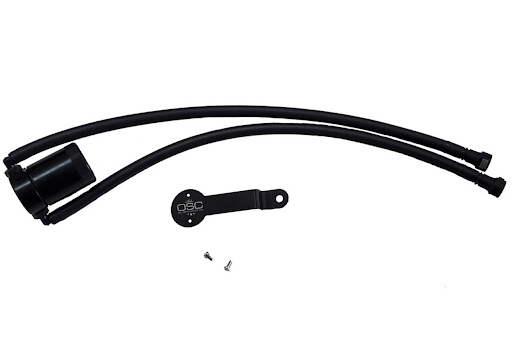
Quick Fact: The J&L 3.0 Oil Separator fits multiple GM trucks and SUVs, including the 2014-2018 Silverado 1500, 2014-2018 Sierra 1500, 2015-2020 Tahoe, Suburban, Yukon, and Yukon XL, and 2015-2019 Escalade, as covered on the targeted product page.
How Much Oil Does a Catch Can Typically Collect per 1,000 Miles on a Silverado/Sierra?
Collection varies by engine condition, climate, and driving habits, but many 5.3L and 6.2L owners see roughly an ounce of fluid per 1,000 miles. Some trucks will collect less. Others, especially in colder weather or under heavier use, will collect more.
What increases collection
Towing, frequent short trips, colder temperatures, and aggressive driving can all increase blow-by and condensation. That is why some owners are surprised by how much fluid shows up in the can during the first few checks.
What Does It Cost to Fix Carbon Buildup Without a Catch Can?
Once buildup becomes severe enough to affect drivability, owners are no longer dealing with prevention -- they're dealing with the consequences and paying for cleanup. A typical carbon-cleaning service cost can range from $400 to $800, depending on the shop, region, and severity of the deposits.
Intake valve walnut blasting cost
If the buildup is heavy, the more effective fix is often walnut blasting. That requires more labor and disassembly, which is why intake valve walnut blasting costs commonly run $600 or more. That changes the math quickly when the preventive part costs far less.
Tip: If a direct-injection truck starts idling rough, misfiring, or losing throttle response over time, carbon buildup belongs on the shortlist of possible causes.
How Do Oil Vapors Affect Long-Term Engine Efficiency and Combustion?
Oil vapor in the intake can contribute to deposits that disrupt airflow and affect how consistently the engine breathes. Over time, that can show up as rougher operation, reduced responsiveness, and a gradual loss of efficiency.
How combustion quality is affected
When oil vapor enters the combustion process, it can also undermine clean, efficient burn conditions. That can increase the chance of knock response and timing adjustment, which is one reason a truck may feel less sharp than it used to.
How Much Time Does Catch Can Maintenance Take (and How Often)?
For most owners, oil catch can maintenance cost is basically time, not money. Draining the canister usually takes five to ten minutes. Unscrew the base, empty the contents, and reinstall it.
How often to check it
The best approach is to check it every 500 to 1,000 miles at first to establish your truck's pattern. After that, many owners schedule it alongside routine oil changes or seasonal checks. Doing it yourself usually takes anywhere from 5 to 10 minutes.
What Does a 5-Year Ownership Cost Comparison Look Like?
Preventive route
- Catch can purchase: about $169
- Maintenance: minimal time, no major recurring cost
- Carbon cleaning avoided: potentially hundreds saved
Reactive route
- Catch can purchase: $0 up front
- Carbon cleaning service cost: often $400 to $800
- Intake valve walnut blasting cost: often $600+
- Added downside: lost time, reduced drivability, and waiting until symptoms show up
In pure dollar terms, the catch can route is usually easier to justify once you compare it to even one cleaning bill.
Preventive Maintenance vs Reactive Repair: Which Mindset Saves More?
A catch can will not remove carbon that is already there, but it can help reduce the amount of new contamination that reaches the intake tract. That is the whole point. Instead of waiting for misfires, sluggishness, or expensive cleaning appointments, you are addressing the problem upstream. A catch can will not completely stop the carbon process from happening but it will drastically slow down the accumulation of it.
Key Takeaways
- Direct-injection GM V8s are more prone to carbon buildup in the intake valves over time.
- A catch can helps intercept oil vapor before it reaches the intake.
- Oil catch can maintenance costs are minimal and usually come down to a quick drain interval.
- The cost of carbon cleaning services can easily reach several hundred dollars.
- The cost of walnut blasting for the intake valve can exceed $600.
- A catch can makes the most sense when viewed as preventive maintenance, not a last-minute fix.
Frequently asked questions
1. Does a catch can remove existing carbon buildup?
No. It helps reduce new buildup, but it does not clean deposits that are already baked onto the valves.
2. How often do I need to empty it?
Usually every 500 to 1,000 miles at first, then based on what your truck actually collects.
3. Is the maintenance difficult?
No. Most owners can drain it in five to ten minutes.
4. Is walnut blasting always required if I skip a catch can?
Not always, but if the buildup gets bad enough, it is one of the more effective cleaning methods.
5. Is this only relevant for Silverados and Sierras?
No. The same concern applies to other supported GM direct-injection V8 applications on the targeted product page.
Conclusion
For Silverado and Sierra owners, the cost argument is pretty simple. A catch can is a small preventive expense that can help reduce oil contamination in the intake tract and lower the chance of paying far more later for carbon cleanup. If the goal is to protect long-term drivability and avoid reactive repair bills, the preventive route makes more sense.
If you are comparing the long-term value of a catch can for your GM truck or SUV, check out the 2014-2018 Silverado catch can / 2014-2018 GMC Sierra oil catch can and see how a small preventive upgrade can help you avoid much larger repair costs later.
