




Why a S650 Mustang GT Oil Catch Can Makes Sense This Summer
Posted by JLOSC on 2026 Jul 16th
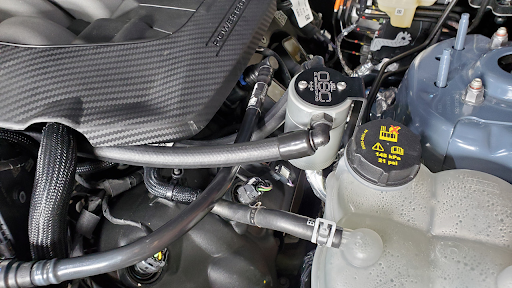
Summary
A 2024 Mustang GT oil catch can helps intercept oil vapor from the PCV system before it recirculates through the intake. For 2024–2026 Mustang GT 5.0L owners, that matters because the Gen IV Coyote is a high-output, high-revving V8 that can generate more crankcase vapor under heat, load, and spirited driving.
The 2024–2026 Mustang GT uses both port fuel and direct injection, not direct injection alone. Still, oil mist from the PCV system can leave residue inside the intake path over time. A well-designed Ford Mustang oil separator gives that vapor somewhere else to go.
Table of Contents
- How the Coyote PCV System Creates Blow-By
- Why Oil Vapor Still Matters
- How a Mustang PCV Catch Can Works
- How Much Oil Should You Expect to Collect?
- Why Summer Driving Makes a Catch Can More Useful
- What to Expect in the First 500 Miles
- Key Takeaways
- Conclusion
- FAQs
- Shop the J&L Oil Separator 3.0
How the Coyote PCV System Creates Blow-By
Every internal combustion engine creates some blow-by. As combustion pressure rises inside the cylinders, a small amount of gas can slip past the piston rings and enter the crankcase.
What the PCV System Does
The positive crankcase ventilation system routes crankcase gases back into the intake so they can be burned. That keeps the system emissions-compliant, but those gases often carry oil vapor, moisture, and combustion byproducts with them.
On a Mustang GT that sees high rpm, summer heat, and aggressive throttle use, that vapor can add up.
Why Load and RPM Matter
The harder the engine works, the more crankcase pressure it can generate. Street pulls, hot-weather driving, track days, and repeated high-rpm use can all increase oil mist moving through the PCV path.
That's why many owners search for a 2024 Mustang GT oil catch can- they're trying to keep oil vapor from building up where it shouldn't be.
Quick Fact: Ford lists the 2024-2026 Mustang GT 5.0L V8 as using port fuel and direct injection. That dual system helps performance and efficiency, but it does not stop oil vapor from moving through the PCV system.
Why Oil Vapor Still Matters on the 2024–2026 Mustang GT
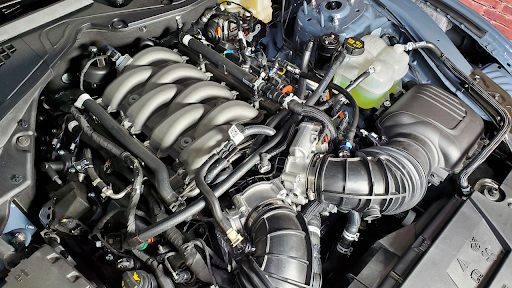
The Gen IV Coyote is not a portless direct-injection engine, so the intake-valve conversation needs to stay accurate. Port injection can help wash intake valves, but it does not remove oil vapor from the PCV stream.
The Issue Is Intake Cleanliness
Even with dual injection, oil vapor can still coat the intake manifold runners, throttle area, and other parts of the intake path. Over time, that residue can collect contaminants and bake under heat.
That makes a Coyote 5.0 blow-by carbon buildup fix less about undoing a failure and more about prevention. The goal is cleaner airflow, cleaner intake surfaces, and less oil residue recirculating through the engine.
For more stock-engine context, read J&L's guide on signs you may need an oil separator even if your car is stock.
How a Mustang PCV Catch Can Works
A Mustang PCV catch can installs inline between the crankcase ventilation outlet and the intake. As crankcase gases pass through the separator, internal filtration helps oil vapor condense into liquid.
What the J&L Separator Does
The J&L Oil Separator 3.0 uses a fine-mesh stainless steel filter to help turn oil vapor into liquid. That liquid collects in the removable reservoir, while cleaner air continues through the PCV system.
The J&L Oil Separator 3.0 PCV Side for the 2024–2026 Mustang GT 5.0L uses OEM-style quick-connect PCV fittings, solid billet construction, and a 3-ounce capacity. It installs without tuning, cutting, or fabrication.
What It Does Not Do
A catch can is not a power adder. The value is long-term: less oil mist returning to the intake as the miles add up. However, oil mixing with the fuel in your combustion chamber reduces its measured octane, which can cause detonation (Spark knock) and reduce horsepower. An oil separator helps you keep the horsepower you already have!
How Much Oil Should You Expect to Collect?
Collection rates vary by engine, climate, oil level, and driving style. J&L recommends checking the separator after the first 500 to 1,000 miles to establish your car's baseline.
Street Driving
Many street-driven applications can go 2,500 to 3,500 miles before the can needs to be drained. Check early, then adjust based on what your car collects.
Track or High-RPM Use
Track days, hard road driving, and repeated high-rpm use can fill the separator faster. If you often use the full Coyote rev range, check the can more frequently.
Tip: Do not pour the collected fluid back into the engine. It can contain oil, moisture, fuel residue, and combustion byproducts.
Why Summer Driving Makes a Catch Can More Useful
Summer conditions can make an S650 Mustang GT oil catch can more valuable because heat and load tend to expose weaknesses in a dirty intake path.
Heat and Stop-and-Go Driving
Hot ambient air is less dense, and the engine bay stays hotter in traffic. When intake surfaces are coated with oil film, the engine has one more thing working against clean airflow.
Spirited Driving Season
Summer also tends to bring more weekend drives, road trips, track events, and time at wide-open throttle. More load means more crankcase pressure, which can lead to more blow-by through the PCV system.
What to Expect in the First 500 Miles
After installing your Mustang GT oil catch can, the first 500 miles are about confirming fitment and learning your collection rate.
What Is Normal
You shouldn't expect a dramatic change in sound or a sudden gain in horsepower. A properly installed separator should keep the engine running normally with no check engine light.
When you open the can after the first 500 to 1,000 miles, you may see collected fluid in the reservoir. The amount can vary.
What to Check After Install
Make sure every quick-connect fitting is fully seated. Check for loose hoses, unusual idle changes, or oil mist around fittings. If anything looks off, inspect the connections before driving farther.
Key Takeaways
- A 2024 Mustang GT oil catch can helps reduce oil vapor returning through the PCV system.
- The 2024–2026 Mustang GT 5.0L uses port fuel and direct injection, so the carbon buildup conversation should focus on overall intake cleanliness.
- Blow-by increases with heat, load, rpm, and driving style.
- The J&L Oil Separator 3.0 fits the 2024–2026 Mustang GT 5.0L and uses OEM-style quick-connect fittings.
- Check the separator after the first 500 to 1,000 miles, then set your service interval based on your car's rate of consumption.
- A catch can is preventive maintenance, not an instant horsepower upgrade.
Conclusion
A 2024-2026 Mustang GT oil catch can makes sense for owners who want to keep oil vapor out of the intake path before buildup becomes harder to manage. Summer heat, high-rpm use, and longer road time all increase the value of a clean PCV-side separator.
If you are asking, "Do I need an oil catch can for a 2024 Mustang GT 5.0?" the practical answer is this: you do not need one to make the car run today, but it is one of the simplest ways to support cleaner long-term operation.
Frequently asked questions
1. Will a catch can add horsepower to my 2024 Mustang GT?
No. A catch can is not a horsepower part. The main benefits are long-term intake cleanliness, reduced oil vapor recirculation, and easier monitoring of what the PCV system is moving. This alone can help you maintain the horsepower your Mustang has. Keeping oil out of the combustion chamber improves efficiency and prevents spark knock.
2. Will an oil separator void my warranty?
An aftermarket part does not automatically void a vehicle warranty. The FTC explains that warranty coverage remains in effect when aftermarket parts are used, although coverage can be denied if the aftermarket part or an incorrect installation caused the problem.
3. How often should I drain the separator?
Check it after the first 500-1,000 miles. After that, many street cars can be checked around normal oil-change intervals, while track or aggressive use should be checked more often.
4. Is installation reversible?
Yes. The J&L separator uses OEM-style quick-connect fittings and does not require cutting or tuning.
Shop the J&L Oil Separator 3.0
The J&L Oil Separator 3.0 PCV Side is a direct-fit Ford Mustang oil separator for the 2024–2026 Mustang GT 5.0L. It captures oil vapor before it re-enters the intake, installs with OEM-style fittings, and gives S650 owners a simple way to protect intake cleanliness before summer miles add up.
Explore the J&L Oil Separator 3.0 and confirm fitment, finish options, and product details before your next drive. Call now!
