







Hellcat Oil Catch Can: Why It Matters for Supercharger Protection
Posted by JLOSC on 2026 Oct 15th

Summary
Hellcat oil catch can helps reduce the amount of oil vapor the PCV system sends back into the supercharged 6.2L HEMI intake. On Hellcat-powered vehicles, that oil can reach the supercharger, charge-air cooler surfaces, and intake tract. Installing an oil separator adds a filtration stage that captures much of that oil before it reaches those components. For stock and modified Hellcats alike, the goal is simple: keep more oil out of the intake system without changing the engine's tune or normal PCV operation.
Table of Contents
- Why Oil Control Matters on a Hellcat
- What Does a Hellcat Oil Catch Can Actually Do?
- How Oil Vapor Affects the Supercharger and Intercooler System
- Does a Stock Hellcat Need an Oil Catch Can?
- J&L 3.0 Hellcat and Trackhawk Oil Catch Can Fitment
- How Often Should You Check a Hellcat Oil Catch Can?
- Key Takeaways
- Conclusion
- Frequently Asked Questions
- Shop the J&L Hellcat Oil Catch Can
Why Oil Control Matters on a Hellcat
The Hellcat platform starts with considerably more cylinder pressure and airflow than a typical naturally aspirated street car.
Dodge rated the supercharged 6.2L HEMI in the Challenger SRT Hellcat at 717 horsepower, while factory Redeye models reached 797 horsepower. dodge That performance comes from an engine designed to move a large volume of air under boost, which also makes crankcase ventilation especially relevant.
Blow-By Is Part of Normal Engine Operation
During combustion, a small amount of gas slips past the piston rings into the crankcase. This is known as blow-by.
The positive crankcase ventilation system routes those gases back toward the intake so they can be burned instead of vented to the atmosphere. The gas moving through the PCV system can also carry suspended oil.
That oil vapor is where a Hellcat oil catch can become useful.
Without additional separation, oil carried by the PCV stream can continue into the engine's intake side. On a supercharged Hellcat application, that means it may reach components owners would generally prefer to keep as clean as practical.
Forced Induction Makes Oil Carryover More Relevant
J&L specifically identifies supercharged and turbocharged engines as applications where oil carried through the PCV system can become more noticeable because of increased crankcase pressure under load. Its Hellcat-specific system is designed to intercept that oil before it continues through the intake path.
That doesn’t mean every Hellcat has a mechanical problem. Oil vapor moving through the PCV system is part of normal operation.
An oil separator reduces how much of that oil reaches the intake.
What Does a Hellcat Oil Catch Can Actually Do?
An oil catch can, more accurately called an oil separator, is installed in the crankcase ventilation path.
Instead of letting the entire vapor stream go straight to the intake, the separator gives suspended oil a place to collect.
The Separator Pulls Oil Out of the PCV Stream
The J&L 3.0 uses a fine stainless-steel mesh filter. As oil-laden vapor passes through the separator, oil collects on the filter and eventually drops into the reservoir rather than continuing toward the engine's intake system.
The cleaned crankcase gases then continue through the factory-style PCV routing.
That makes a Hellcat oil catch can a relatively simple modification. It doesn't add boost, change ignition timing, or alter the engine calibration. Its job is oil separation.
What a Catch Can Does Not Do
Don't treat an oil separator as a fix for worn rings, excessive mechanical blow-by, a damaged PCV system, or another engine fault.
It also doesn’t create horsepower on its own.
Its value comes from limiting oil contamination in an engine that was purchased for performance in the first place.
For more general signs of oil carryover, J&L also covers when a stock vehicle may benefit from an oil separator.
How Oil Vapor Can Affect the Hellcat Supercharger System
This connection matters most for Hellcat owners.
The 6.2L HEMI uses a supercharger with integrated charge-air cooling. Dodge describes the Hellcat system as using a dedicated cooling circuit for charge-air coolers integrated into the supercharger housing. dodge
Oil introduced upstream can leave residue along that intake path.
Keeping Blower and Intercooler Surfaces Cleaner
J&L specifically identifies blower rotors and intercooler fins as areas where oil vapor can accumulate on Hellcat applications.
A separator reduces the amount of oil reaching those surfaces in the first place.
That’s a much more direct reason for a Hellcat owner to install one than waiting for a symptom or fault code. The modification keeps the supercharged intake system cleaner over time.
Oil Carryover and Knock Resistance
J&L also notes that oil entering the intake stream can dilute the incoming fuel mixture and reduce its effective octane.
For a high-output supercharged engine, keeping unwanted oil out of the intake removes one potential contributor to abnormal combustion.
A catch can should still be viewed in context. It cannot compensate for improper fuel, an aggressive calibration, excessive intake temperatures, or another cause of detonation. Tuned, pulley-modified Hellcats still need the right fuel and calibration for the combination.
Does a Stock Hellcat Need an Oil Catch Can?
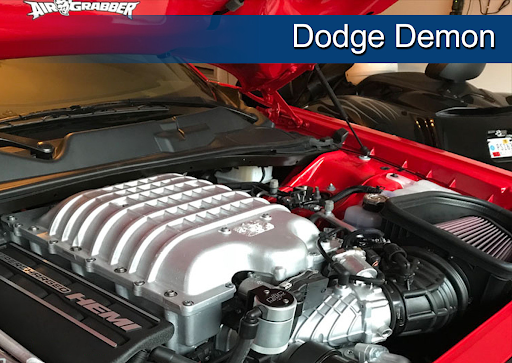
People often talk about a catch can as if it belongs only on modified cars. The factory PCV system, however, routes crankcase gases back through the intake whether the engine remains stock or has been modified.
Stock Hellcats Still Produce Oil Vapor
A stock 6.2L HEMI can still send oil mist through the PCV circuit.
For owners planning to keep the vehicle for years, installing an oil separator early can help reduce contamination buildup in the intake and supercharger system.
The benefit is preventive rather than corrective. You do not need to wait until the intake is visibly oily before adding one.
Modified Hellcats Put Even More Focus on Oil Control
Pulley changes, increased boost, track use, and other performance modifications can make crankcase ventilation more demanding.
That makes oil control especially relevant on modified combinations.
It also explains why a catch can frequently appear alongside other essential Hellcat mods. A pulley or tune is designed to increase output. An oil separator serves a different purpose by helping manage a byproduct of operating a high-output engine.
For owners investing heavily in the engine and supercharger combination, reducing oil carryover is a comparatively straightforward supporting modification.
J&L 3.0 Hellcat and Trackhawk Oil Catch Can Fitment
J&L's passenger-side 3.0 separator, part 3060P, is designed specifically around supercharged 6.2L Mopar applications.
The current fitment list includes:
- 2015–2023 Dodge Challenger Hellcat
- 2019–2023 Dodge Challenger Redeye
- 2015–2023 Dodge Charger Hellcat
- 2018 Dodge Challenger Demon
- 2018–2021 Jeep Trackhawk
- 2021–2026 Dodge Durango Hellcat
That gives owners of either a Hellcat or Trackhawk the same application-specific J&L 3.0 platform.
Installation Uses Factory-Style Connections
The separator has a 3-ounce reservoir, solid 6061 billet-aluminum construction, and OEM-style quick-connect fittings. J&L lists the kit as plug-and-play, designed around the factory PCV connections.
No ECU tuning is required to install the separator.
Quick fact: The current J&L unit is not CARB-exempt and is not legal for sale or use in California or other states that require a California Executive Order for the product.
How Often Should You Check a Hellcat Oil Catch Can?
Collection rates vary from engine to engine, so no universal drain interval applies.
Establish Your Own Baseline
J&L recommends inspecting a newly installed separator after the first 500 to 1,000 miles. Driving style, climate, engine condition, and oil level can all affect how much fluid collects.
Once you know how quickly your Hellcat fills the reservoir, you can build a service routine around how the vehicle is actually driven.
Hard-driven or modified cars may justify more frequent checks.
Pay Attention During Cold Weather
Collected fluid is not necessarily pure engine oil. Condensation can build up in the separator, especially in cold weather.
That’s another reason to inspect the reservoir rather than relying exclusively on mileage.
Key Takeaways
- The supercharged 6.2L HEMI routes crankcase gases through the PCV system, and those gases can carry oil into the intake.
- A Hellcat oil catch can filter oil from that vapor stream before it reaches the supercharger and intake tract.
- Reducing oil carryover can help keep blower and intercooler surfaces cleaner.
- Stock Hellcats can benefit from oil separation, while modified and frequently hard-driven cars may need it even more.
- A catch can won't fix excessive blow-by or compensate for incorrect tuning or fuel.
- J&L part 3060P fits supported Hellcat, Redeye, Demon, Trackhawk, and Durango Hellcat applications.
Conclusion
Hellcat owners buy these cars for the engine. The factory supercharged 6.2L HEMI delivers more than 700 horsepower in standard Hellcat form, and higher-output variants push considerably further.
That makes keeping unwanted oil out of the supercharger and intake path a reasonable part of protecting the overall combination.
An oil separator is a simple way to address that specific issue. It intercepts oil carried through the PCV system before much of it can coat the blower, charge-air cooler surfaces, and intake tract.
For both stock and modified Hellcats, that is a much clearer reason to install a catch can than waiting for an engine problem to develop.
Frequently Asked Questions
1. Will a Hellcat Oil Catch Can Increase Horsepower?
An oil separator is not a power-adder. Its purpose is to reduce oil contamination entering the intake system and help keep intake and supercharger components cleaner.
2. Does a Hellcat Need a Catch Can If It Is Completely Stock?
A stock Hellcat still routes crankcase vapors through its PCV system. An oil separator can therefore collect oil even on an unmodified car. Whether an owner considers it worthwhile depends on maintenance priorities and how long they plan to keep the vehicle.
3. Is a Catch Can More Important on a Tuned Hellcat?
It becomes more relevant as boost and engine load increase because those conditions increase demands on crankcase ventilation. A modified vehicle should still have its entire PCV and tuning strategy evaluated as a system.
4. Is the same catch can available for the Jeep Trackhawk?
Yes. J&L part 3060P fits the 2018–2021 Jeep Trackhawk with the supercharged 6.2L engine, making it a direct-fit Trackhawk oil catch can application as well.
5. Does a Catch Can Prevent Detonation?
It can reduce oil entering the intake, removing one potential contributor to reduced effective octane and knock. It cannot prevent every cause of detonation. Fuel quality, calibration, boost, engine condition, and charge temperature still matter.
Shop the J&L Hellcat Oil Catch Can
To keep more oil out of your Hellcat's supercharger and intake system, J&L offers a direct-fit, passenger-side separator for supported 6.2L Hellcat-powered vehicles.
Shop the J&L Hellcat oil catch can for Challenger Hellcat, Charger Hellcat, Redeye, Demon, Trackhawk, and Durango Hellcat applications. Call us!
