




- Same-Day Dyno Testing: All before-and-after dyno tests were performed on the same day to minimize environmental variations.
- Same Fuel Type: The same 87-octane pump fuel was used throughout the dyno testing process to maintain consistency.
- Controlled Conditions: Ambient temperature, humidity, and barometric pressure were monitored to keep testing conditions as comparable as possible.
- Real-World Driving: The mileage testing portion was conducted through normal daily driving conditions, including short trips, city driving, and occasional longer drives to reflect typical vehicle usage.
This combination of controlled testing and real-world driving provides a balanced view of how a catch can may impact performance over time.
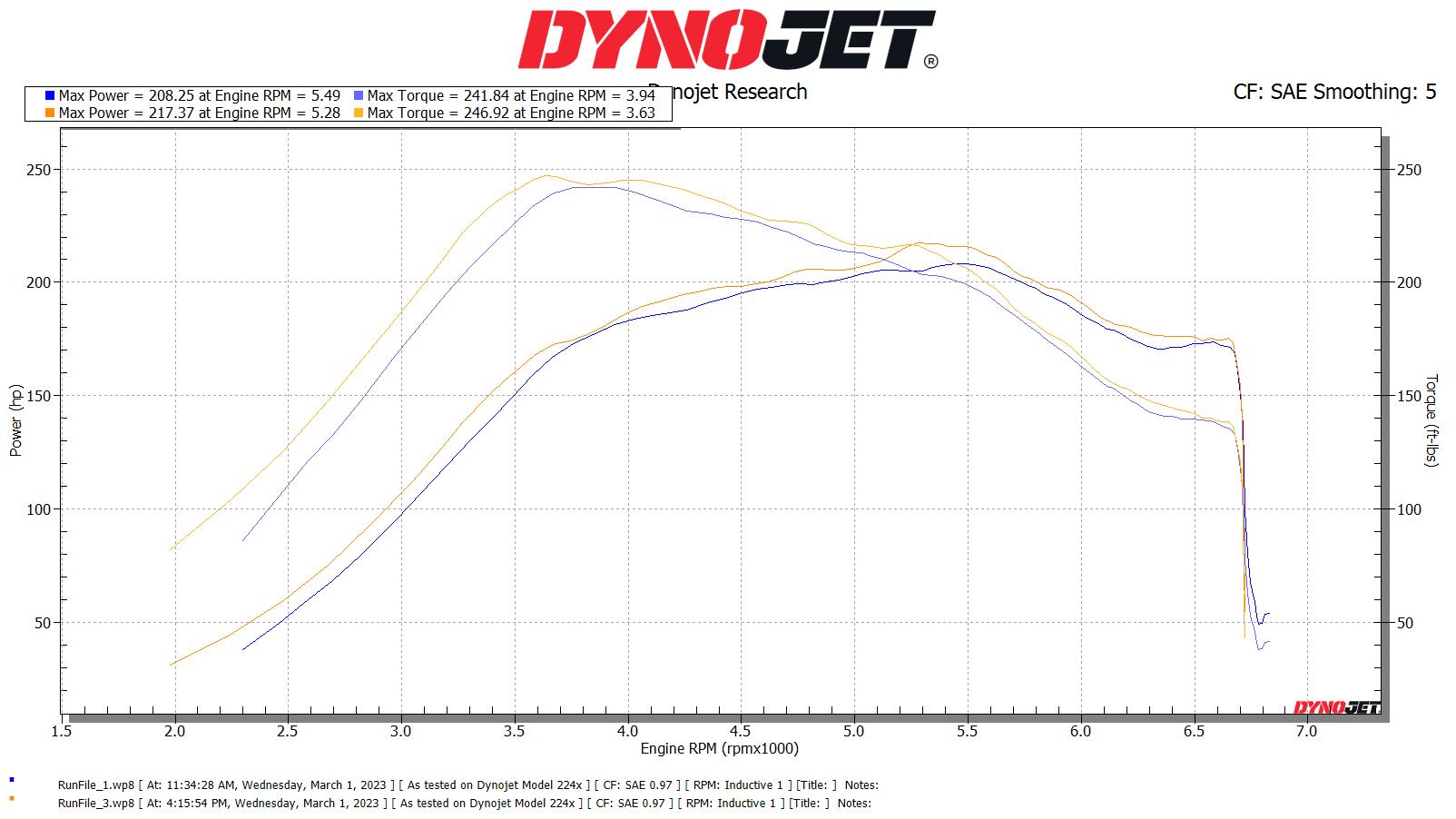
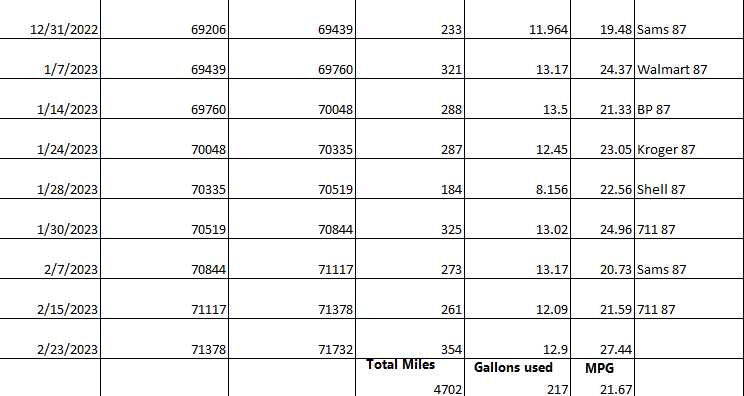
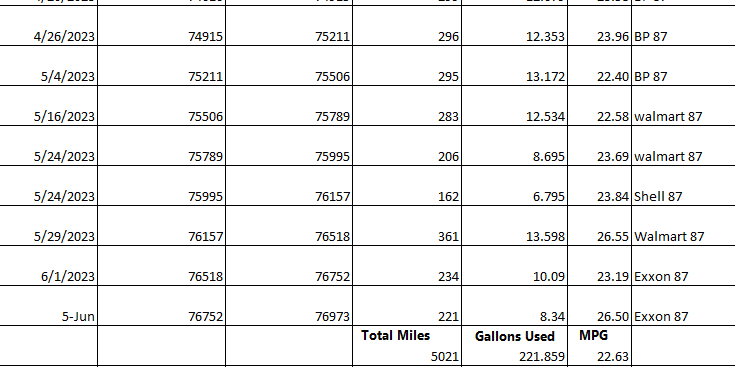
- MPG Change: Fuel economy improved from 21.67 MPG to 22.63 MPG, roughly a 1 MPG improvement.
- Horsepower Change: Dyno testing showed an increase of 9 wheel horsepower after the valve cleaning and catch can installation.
- Torque Change: The engine also gained 5 lb-ft of torque, improving throttle response and overall performance.
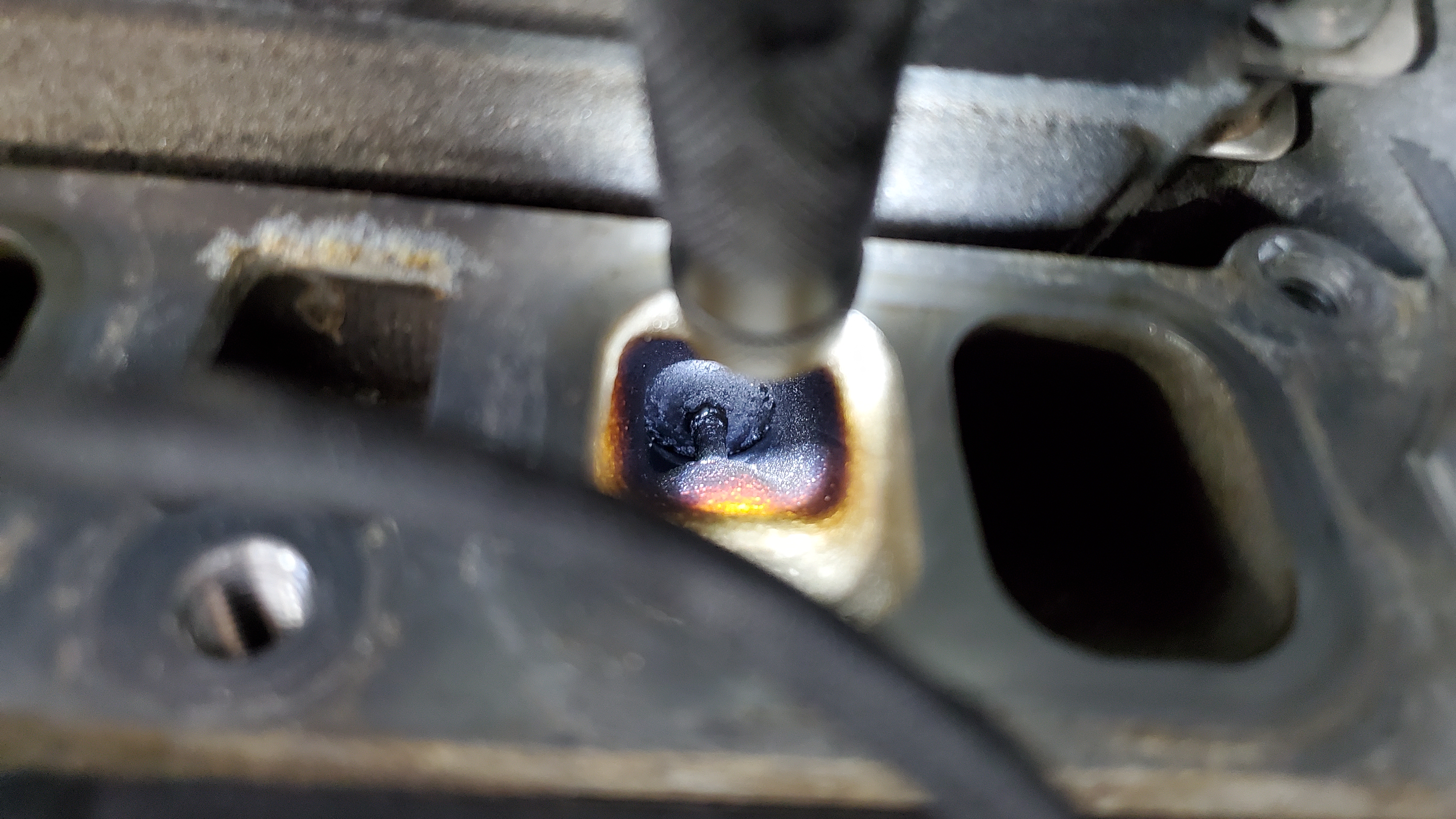
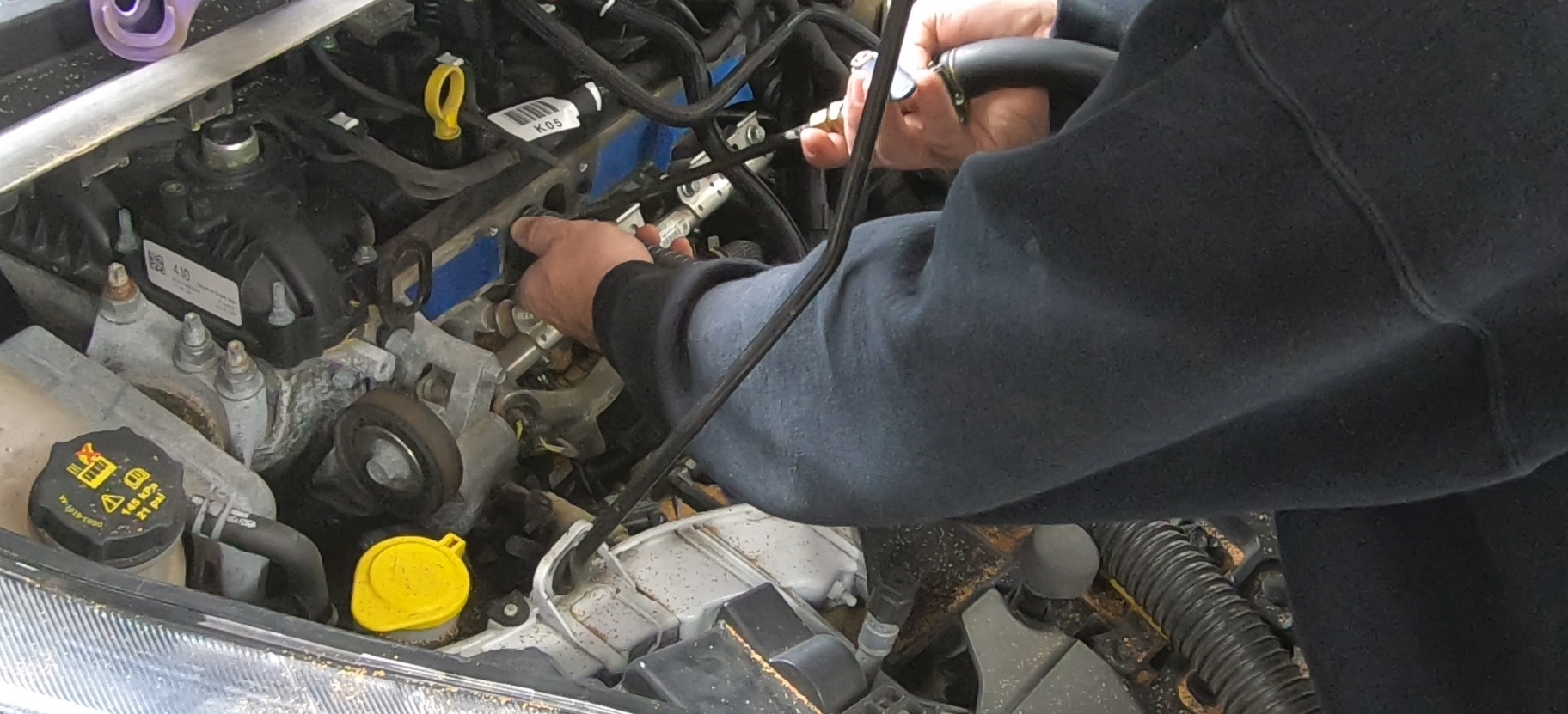
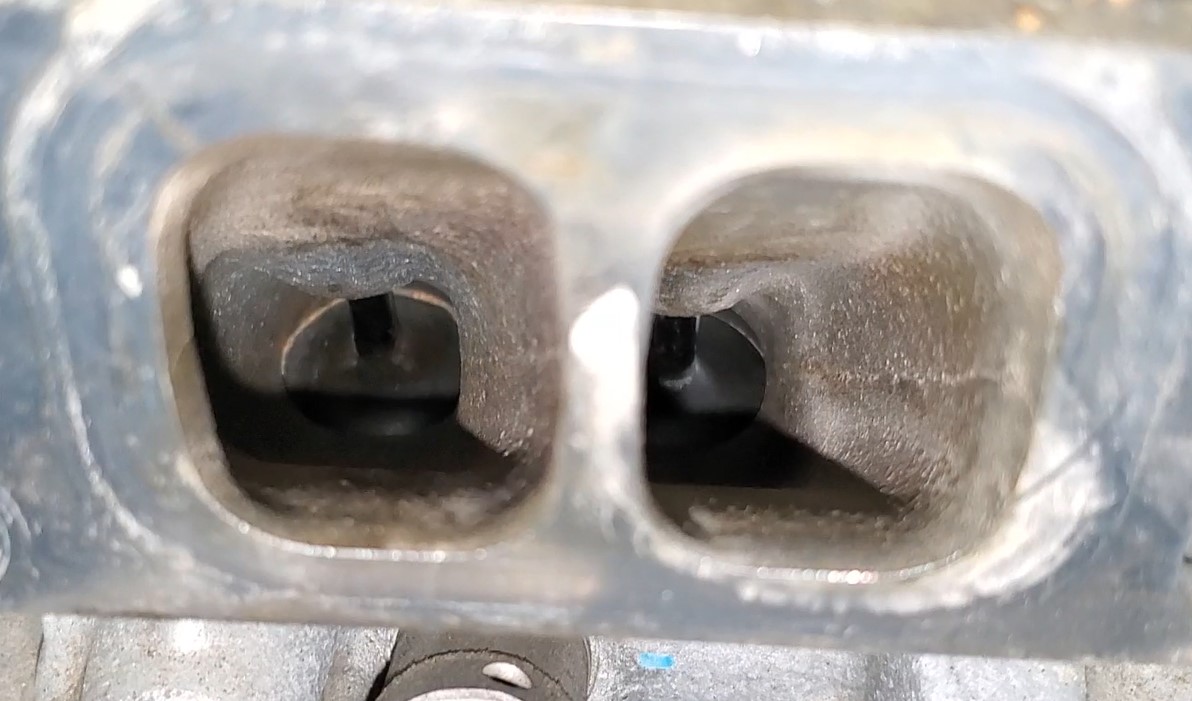
- Visual Carbon Reduction: Media blasting removed heavy carbon buildup from the intake valves, restoring airflow and combustion efficiency.
- Oil Volume Captured: During the 5,000-mile post-installation period, the oil separator collected a noticeable amount of oil and contaminants that would otherwise have been recirculated into the intake system.
These findings demonstrate how keeping contaminants out of the intake system can contribute to maintaining engine efficiency over time.
The results from this test are particularly relevant for drivers operating modern turbocharged vehicles that experience carbon buildup over time.
This study may be especially helpful for:
- High-mileage EcoBoost engines that may already have carbon buildup on intake valves
- Daily-driven turbocharged vehicles that experience frequent short trips or stop-and-go driving
- Vehicles running regular pump gas, which represents how most drivers fuel their cars
- Owners looking to avoid expensive valve cleaning services that can cost hundreds of dollars at dealerships or repair shops
For many drivers, installing a catch can early in a vehicle’s life may help reduce the amount of oil residue entering the intake system and slow the accumulation of carbon deposits.
- Carbon buildup is common in modern direct-injection engines, especially turbocharged engines like the 2.0L EcoBoost used in this test vehicle.
- Over time, oil vapors and contaminants from the PCV system can accumulate on intake valves, reducing airflow and engine efficiency.
- After cleaning the valves and installing a J&L Oil Separator Co. catch can, the vehicle showed gains of 9 wheel horsepower and 5 lb-ft of torque on the dyno.
- Real-world driving results showed an improvement of about 1 MPG in fuel economy over thousands of miles of testing.
- The oil separator also captured contaminants that would otherwise have been recirculated into the engine’s intake system, helping keep components cleaner over time.
- Installing a catch can early can help reduce carbon buildup and potentially avoid costly valve cleaning services in the future.
Final Thoughts: Is a Catch Can Worth It?
Real-world testing with our 2017 Ford Escape showed how carbon buildup can impact engine performance over time. After cleaning the intake valves and installing a J&L Oil Separator Co. catch can, we observed improvements in horsepower, torque, and fuel economy during normal driving conditions.
While a catch can is not designed to magically increase engine power, its real benefit comes from helping keep oil vapors and contaminants out of the intake system, which can contribute to cleaner valves and more consistent engine performance over the long run.
For drivers of modern turbocharged and direct-injection engines, preventing carbon buildup can help avoid costly maintenance such as intake valve cleaning while helping maintain the engine’s efficiency.
Ready to Protect Your Engine?
If you want to keep contaminants out of your intake system and help maintain long-term engine performance, a J&L Oil Separator catch can is a simple and effective upgrade.
Explore our oil separator systems to find the right fit for your vehicle and help keep your engine running cleaner mile after mile.
Our real-world testing on a 2017 Ford Escape 2.0 EcoBoost showed a measurable improvement in fuel economy after cleaning of the existing carbon build up on the intake valves. Over 5,000+ miles, our average MPG increased by about 1 mile per gallon compared to the period before cleaning. By preventing oil vapors and carbon from building up on intake valves, a catch can helps your engine run more efficiently, which can lead to better fuel mileage over time. If a J&L Oil Separator Co. catch can was installed since the vehicle was new, the MPG loss over time would’ve been less due to less buildup on these valves.
Absolutely. Our dyno testing found that significant carbon buildup on intake valves led to a loss of horsepower and torque. Before cleaning, our vehicle produced 208 horsepower and 246 ft-lbs of torque. After cleaning the valves and installing a catch can, we saw gains of 9 wheel horsepower and 5 ft-lbs of torque. Carbon buildup restricts airflow and disrupts combustion, directly impacting performance.
The amount varies depending on engine type, driving conditions, and mileage. In our 5,000-mile post-installation test, our J&L Oil Separator Co. catch can collected a noticeable amount of oil and contaminants that would have otherwise recirculated into the intake. Most users should check and empty their catch can every 1,000 to 4,000 miles, as collection rates can change based on driving habits and engine condition.
Yes—perhaps even more so than on newer engines. High-mileage vehicles are more likely to have accumulated carbon deposits and oil residue in the intake system. Installing a catch can helps prevent further buildup, protecting your engine and potentially restoring some lost efficiency and performance, as our testing demonstrated.
Definitely. By capturing oil mist and blow-by before it reaches the intake valves, a catch can helps keep them cleaner for longer. This can delay or even prevent the need for costly and labor-intensive valve cleaning procedures. In our experience, keeping the intake system clean with a catch can is far easier and more cost-effective than removing stubborn carbon deposits later.
Valve cleaning is a specialized service that can cost between $500 and $1,000 at most shops or dealerships, depending on your vehicle’s complexity. In contrast, a J&L Oil Separator Co. catch can is a one-time upgrade that helps prevent the buildup in the first place, saving you significant money and hassle over your vehicle’s life.
