




What to Expect After Installing a J&L Oil Separator: 30, 90, and 365-Day Engine Benefits
Posted by JLOSC on 2026 Mar 24th
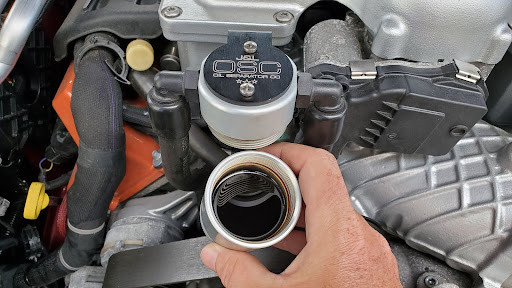
Modern engines meet emissions requirements by routing crankcase vapors back through the intake. Those vapors often carry oil mist, fuel residue, and condensation. Over time, that mix can leave an oily film in intake plumbing, coat throttle bodies and sensors, and contribute to intake-valve deposits on direct-injection platforms. A J&L Oil Separator adds a filtration step that keeps much of that contamination out of the intake stream.
The value shows up on a timeline. You will see early proof in the canister, then steadier cleanliness and consistency over months, then fewer contamination-related headaches over the long haul.
Below is a realistic breakdown of the most common oil separator benefits at 30, 90, and 365 days, along with a simple catch-can maintenance schedule.
Table of Contents
- Day 0 Baseline: The Starting Point
- 30 Days: Immediate, Visible Changes
- 90 Days: Performance Consistency and Cleanliness
- 365 Days: Long-Term Protection and Cost Savings
- How to Measure Benefits
- Maintenance Timeline and Best Practices
- Troubleshooting and Expectations
- Vehicle-Specific Notes
- Warranty, Durability, and Why J&L
- Conclusion
- FAQs
Day 0 Baseline: The Starting Point
Before installation, your PCV system vents blow-by back into the intake. That's normal, but it also means that oil vapor and moisture can build up and leave residue in the intake tract over time. Direct-injection engines are often more sensitive because intake valves do not get the same fuel wash seen in port injection. If you have ever found oily film near the throttle body, moisture-heavy sludge in winter, or residue in charge piping on turbo platforms, that is the baseline you are starting from.
30 Days: Immediate, Visible Changes
The first month is about confirming function and learning your collection rate. Around the first 500 to 1,000 miles, open the canister and check what's trapped inside. Many owners find a thin, murky mixture that can look milky in colder months because condensation mixes with oil and fuel vapors. That's normal, and it is the quickest "proof" of oil catch-can results.
90 Days: Performance Consistency and Cleanliness
In three months, you will have enough mileage to see the practical impact. With less oil vapor reaching the intake, many vehicles stay cleaner in the areas that usually pick up the most residue. Throttle bodies tend to develop less film. Sensors are less likely to get sticky buildup. Turbo platforms often show less oil haze in charge piping over time.
The "feel" is usually consistent, not a sudden surge. Many owners report a steadier idle and fewer small drivability annoyances that can appear as deposits build up. If you track fuel economy, the important marker is that it stays stable instead of slowly declining.
365 Days: Long-Term Protection and Cost Savings
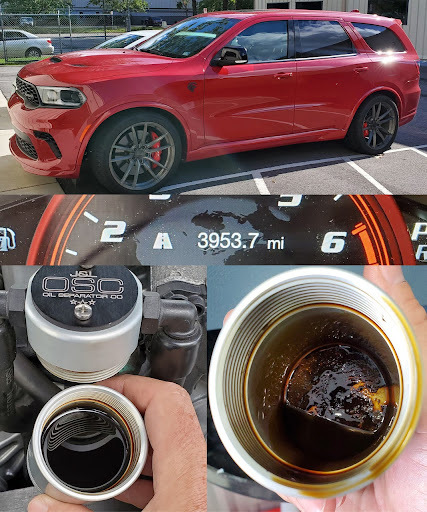
At one year, the payoff becomes easier to understand in maintenance terms. Reducing oil vapor in the intake helps slow carbon accumulation on valves for direct-injection engines. It also reduces residue in intake components that can contribute to long-term drivability issues.
This is where the real oil separator benefits are evident. You are reducing contamination that can lead to paid cleanings, premature plug fouling, and general "why does it feel rougher than it used to" problems. The separator does not replace good maintenance, but it can help keep your baseline cleaner for longer.
How to Measure Benefits
You don’t need specialty tools. Start with simple checks you can repeat.
Track what you collect per 1,000 miles during normal driving, then compare against winter or heavy towing periods. Periodically inspect your intake tube near the throttle body for fresh oil film. On turbo setups, check charge piping connections during routine maintenance for pooling residue. If you keep notes on fuel economy and idle quality, look for stability over time.
Maintenance Timeline and Best Practices
A separator works best when it is maintained like any other service item. Follow a catch can maintenance schedule based on what your engine collects.
- First check (500 to 1,000 miles): establish your baseline.
- Regular drain: many drivers drain at each oil change, adjusting earlier if the can fills faster.
- Cold weather: check more often because condensation increases collection.
- Periodic cleaning: if your setup includes internal filtration media, clean it at a reasonable interval based on what you see in the can. We recommend every 12-15k miles which is what an average driver puts on their vehicle per year.
The only rule that matters is not letting the can overfill.
Troubleshooting and Expectations
Collection varies based on driving habits and season. Short trips and stop-and-go driving often produce more moisture because the engine does not stay hot long enough to burn off condensation. Towing and heavy throttle can increase blow-by volume.
If something feels off after install, check fitment basics first. Confirm that quick-connect fittings are fully seated, that hoses are routed correctly, and that O-rings are in place. A vacuum leak is the most common post-install problem, and is usually straightforward to correct.
Vehicle-Specific Notes
Some platforms collect more than others. Forced induction and heavy-load driving typically increase vapor volume. A naturally aspirated commuter may collect less, but still benefits from keeping the intake tract cleaner.
Fitment is a major factor when it comes to reliability. A true Oil Separator for vehicles should be matched to the platform so hose routing and connections behave like factory hardware, not a universal workaround.
Warranty, Durability, and Why J&L
A separator does not automatically void a warranty. In general, a manufacturer must show that an aftermarket part caused the specific failure being claimed. The practical takeaway is to use a vehicle-specific kit and install it correctly.
J&L kits are designed for clean fitment with factory-style connections. The canister is built for under-hood heat and normal service intervals. The point is prevention without introducing new variables.
Conclusion
A separator is a maintenance-minded upgrade that shows value over time. At 30 days, you get visual proof. At 90 days, you typically see cleaner intake components and steadier behavior. After 365 days, the benefit is long-term protection and fewer contamination-driven service issues. If you want to choose a vehicle-specific kit, start with the J&L Oil Separator options on the J&L site and match the system to your vehicle.
Frequently asked questions
1. What does a J&L oil separator do?
A J&L Oil Separator captures oil mist, fuel vapors, and condensation from the PCV stream before that mixture re-enters the intake. The liquid collects in the canister while cleaner air continues through the system.
2. How much oil should I expect to collect in 30 days?
It depends on the platform, season, and drive cycle. Many owners see anything from a small amount to a few ounces in the first 500 to 1,000 miles, especially in colder weather.
3. How often should I drain and clean it?
Check early to set your baseline, then drain on a schedule that matches your collection rate. Many drivers drain at each oil change and check more often in winter. That becomes your catch can maintenance schedule.
4. Do I need a tune after installing a separator?
No. A closed-loop separator is a filtration step in the PCV stream. It does not require tuning.
5. Is there a break-in period?
The unit does not need a break-in. The only adjustment period is learning your engine's collection rate so you can set a drain routine.
