



Top 5 Signs Your Silverado Is Suffering from Crankcase Pressure Problems
Posted by JLOSC on 2026 Jan 16th
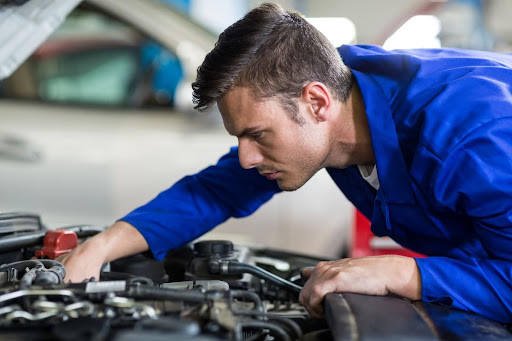
The Chevy Silverado and GMC Sierra are built to work, but even strong 5.3L and 6.2L EcoTec3 engines are subject to crankcase pressure and blow-by. Pressure in the crankcase can push past seals, carry oil into the intake, and chip away at performance and reliability over time. Understanding Silverado crankcase pressure makes it easier to spot early warnings and address them before they turn into leaks, carbon buildup, or major repairs.
What Is Crankcase Pressure and Why Is It Common on Silverado Engines
Crankcase pressure is generated by combustion gases slipping past the piston rings and collecting under the pistons. Those gases carry oil mist and fuel vapors. The Positive Crankcase Ventilation system routes this blow-by back into the intake to be burned and keeps a light vacuum in the crankcase. As mileage builds, hard towing, cylinder deactivation systems, and frequent short trips can all increase blow-by and oil moisture. Sludge then forms in PCV passages, the system cannot move enough volume, and familiar PCV issues Silverado owners talk about begin to appear.
How the blow-by and the PCV system work
Under normal conditions, the PCV valve distributes a steady flow of crankcase vapors to the intake, keeping the pressure slightly below atmospheric. When the valve sticks, the orifice narrows with deposits, or hoses soften and collapse, the system no longer pulls enough gas out of the crankcase. Pressure rises, vapors carry more oil, and the extra load shows up as leaks, intake contamination, and drivability changes.
AFM/DFM, towing, and short trips are contributing factors
Active Fuel Management and Dynamic Fuel Management change which cylinders fire under light load. Over time, this can change ring wear patterns and oil control in those cylinders. Heavy towing and hauling raise cylinder pressures and blow-by. Short-trip driving keeps the oil cooler, allowing moisture to build up, which mixes with vapor and forms sludge in the PCV passages. Together, these conditions make Silverado crankcase pressure issues more likely as the truck ages.
The Top 5 Signs to Watch For
When excessive Silverado crankcase pressure symptoms start, they tend to follow a consistent pattern that shows up in several systems at once.
1. Dipstick movement and oil mist
A dipstick that will not stay fully seated is one of the clearest signs. Pressure seeks the least resistant path, and on many engines, that path is the dipstick tube. Fresh oil mist around the tube or on nearby component points indicates pressure that is not being vented correctly.
2. Burnt oil smell and fresh leaks
A recurring hot-oil smell at idle or after a drive often means oil is being pushed past gaskets by excess pressure and dripping onto hot exhaust parts. The odor frequently reaches the cabin through the HVAC intake and deserves a closer look for valve cover leaks and other seepage.
3. Rough idle and lean fault codes
A PCV valve that is stuck open can act like a vacuum leak, while a blocked valve or line holds pressure in the crankcase. Both conditions disturb the air-fuel mixture and can cause a rough idle, intermittent misfires, or a check engine light with lean codes. These are common PCV issues Silverado owners see as mileage increases.
4. Oil in the intake tube and throttle body
Removing the intake tube and finding a wet oil film in the tube or on the throttle blade is a strong indication that oil vapor is being pulled through the PCV system in larger-than-normal quantities. Over time, that oil coats intake runners and valve backs, restricting airflow and dulling throttle response.
5. Blue smoke at startup or after extended idle
When oil-laden vapor collects in the intake and then is drawn into the cylinders, the exhaust may show a brief puff of blue or bluish-white smoke on startup or after idling in traffic. This is both a symptom of pressure issues and a source of catalytic converter stress over the long term.
Quick DIY Checks Before You Visit a Shop
A few simple checks in the driveway can provide useful information before any diagnostic visit.
PCV line inspection and intake boot check
With the engine idling, remove the oil filler cap and lightly hold a small piece of paper over the opening to get a basic indication of balance. A gentle pull on the paper suggests a slight vacuum, while the paper lifting or puffing away points toward positive pressure. From there, inspect the PCV hose from the valve cover to the intake for kinks, soft spots, cracks, or sludge, and check the intake tube and throttle body for fresh oil pooling.
Spark plug reading and basic engine health
Pulling spark plugs and examining the tips can reveal whether specific cylinders are oil-fouled or running lean. Uneven deposits suggest a localized mechanical problem, while general oil fouling often goes with long-term blow-by. If pressure concerns persist, a shop can follow up with compression and leak-down testing to confirm the condition of the ring and cylinder.
Risks of Ignoring Crankcase Pressure Issues
Leaving these symptoms unaddressed does more than create stains under the truck.
Carbon buildup, plug fouling, and converter stress
Direct-injected V8s lack fuel washing over the intake valves, so oil vapor from an overloaded PCV system bakes onto valve surfaces, forming hard deposits that restrict airflow. Excess oil consumption can foul spark plugs and increase the risk of detonation. Burned oil in the exhaust stream coats catalytic converters and raises their operating temperature, accelerating wear. High crankcase pressure also constantly works against seals, such as the rear main and front timing cover, increasing the odds of leaks and future repairs.
How a J&L Oil Separator Helps on Silverado Engines
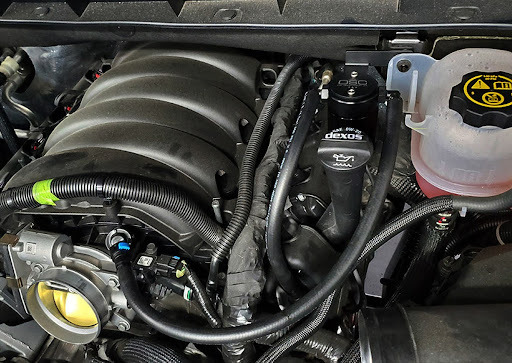
The factory PCV design focuses on emissions control by sending vapors back into the intake without removing much oil from the stream. A purpose-built oil separator or oil catch can adds the missing step that late-model trucks often need.
1. Oil vapor capture and a cleaner intake charge
A J&L oil separator for truck applications installs in line with the PCV hose and forces blow-by gases through internal passages that strip out oil and fuel droplets. Those droplets drop into a removable can while cleaner air continues to the intake. Over time, that means less oil film in the intake tube and throttle body, and slower carbon buildup on intake valves.
2. Consistent performance under towing and haul loads
On 5.3L and 6.2L EcoTec3 engines used for towing and hauling, crankcase vapor volume rises under load. Capturing more of that oil before it reaches the intake helps keep the effective fuel octane more stable and supports more consistent performance on grades and in hot weather.
Picking the Right J&L Separator for Your Silverado
Fitment matters as much as function. A universal can that requires cut hoses and improvised brackets can introduce new problems. J&L builds vehicle-specific kits, such as the (2019- 2026) Silverado catch can for late-model half-ton GM trucks. The kit for 2019 to 2026 Chevy Silverado 1500 and GMC Sierra 1500 with 5.3L and 6.2L engines, and for 2021 Chevy Tahoe, Suburban, GMC Yukon, and Yukon XL with the same displacements, uses factory-style quick connects and brackets that tie into existing mounting points so the install looks and behaves like factory hardware. For owners outside those years, a similar Silverado catch can kit with the same design philosophy is available. Browse the Silverado Oil separators here!
Installation and Maintenance Snapshot
On these platforms, most J&L systems can be installed quickly with basic hand tools.
1. Tools, time, and drain intervals
The lines are the right lengths, and the brackets are matched to the chassis, so owners avoid cutting factory hoses. The can is sized to hold several ounces of fluid. Checking it every 2,000 to 3,000 miles at first gives a baseline, then many owners drain it at each oil change, with more frequent checks in cold weather when condensation is higher.
2. Warranty and durability expectations
The separator does not tune or alter engine control. It filters what the PCV system already moves. The housing is machined from billet aluminum with O-ring seals and threaded connections designed to last the life of the truck, and the system can be removed cleanly if a completely stock appearance is ever needed for service.
Check here for warranty details.
Proof It Works: What You Will Notice After 30 to 90 Days
After several weeks of everyday driving, a simple inspection shows what the separator is doing.
Reduced oil film, steadier idle, less odor
The throttle body and intake tract usually stay drier than before, and the dark, fuel-smelling fluid in the can reflects what would have entered the intake and passed over sensitive components.
Many owners also report a more stable idle and less hot-oil smell under the hood once crankcase vapors are better controlled.
Conclusion
Crankcase pressure problems are easy to overlook until they create leaks, smoke, or power loss. Recognizing Silverado's excessive crankcase pressure symptoms and the PCV issues Silverado engines tend to develop makes it easier to act early. Cleaning the PCV path, confirming mechanical health, and adding a properly engineered J&L oil separator or Silverado catch can are practical steps that protect the intake, preserve catalysts, and help 5.3L and 6.2L trucks stay ready for work and towing over the long term.
Frequently asked questions
1) Will an oil separator fix Silverado crankcase pressure problems?
An oil separator does not repair worn rings or internal damage, but it does control oil vapor in the PCV stream on healthy engines and reduces the impact of moderate pressure issues by keeping that oil out of the intake.
2) What are the common symptoms of high crankcase pressure on a Silverado?
Typical signs include the dipstick lifting out of the tube, oil mist or leaks at gaskets, a hot-oil smell at idle, oil coating the intake tube or throttle body, and occasional blue smoke at startup or after extended idle.
3) What are three signs of a bad PCV valve on these engines?
A faulty PCV valve often shows up as increased oil consumption or smoke, an unstable idle from an internal vacuum leak, and sludge or heavy deposits in the PCV hose or valve cover fitting.
4) How are excessive crankcase pressure problems corrected?
Correction usually starts with confirming the PCV valve operation and hose condition. If pressure remains high, testing for ring or cylinder wear is next. Once mechanical issues are addressed, an oil separator or oil catch can help manage blow-by on an ongoing basis.
